Little Models
(Scroll Down)
EXPERIENCE
DESIGN IN REAL SPACE
“Architectural models offer the most direct and intuitive way of understanding ideas. Unlike drawings or renders, a model can be experienced in real space. It reveals scale, proportion and materiality in ways that images or screens can’t, creating a deeper connection between concept and reality.”
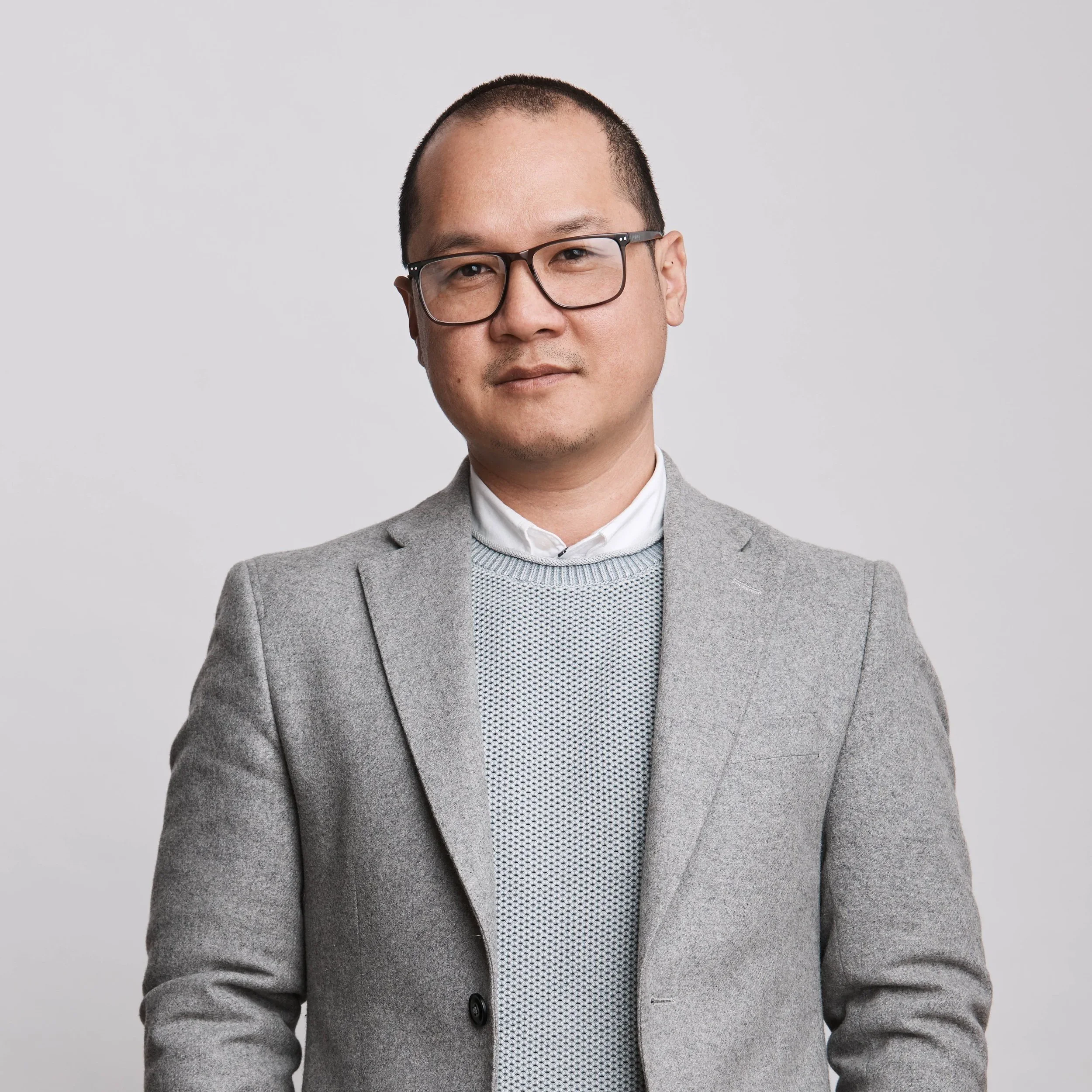
Scott Choi
Scott brings over three decades of architectural experience, having collaborated with many of Australia’s leading architects.
Throughout his career, Scott has worked on scores of major projects from concept through to completion which has enabled him to bring his knowledge to the models he has built. Since founding Little Models, Scott has handcrafted more than 100 architectural models for councils, architectural firms, and private clients, reflecting his expertise and versatility in this space.
Founder
FEATURED WORKS
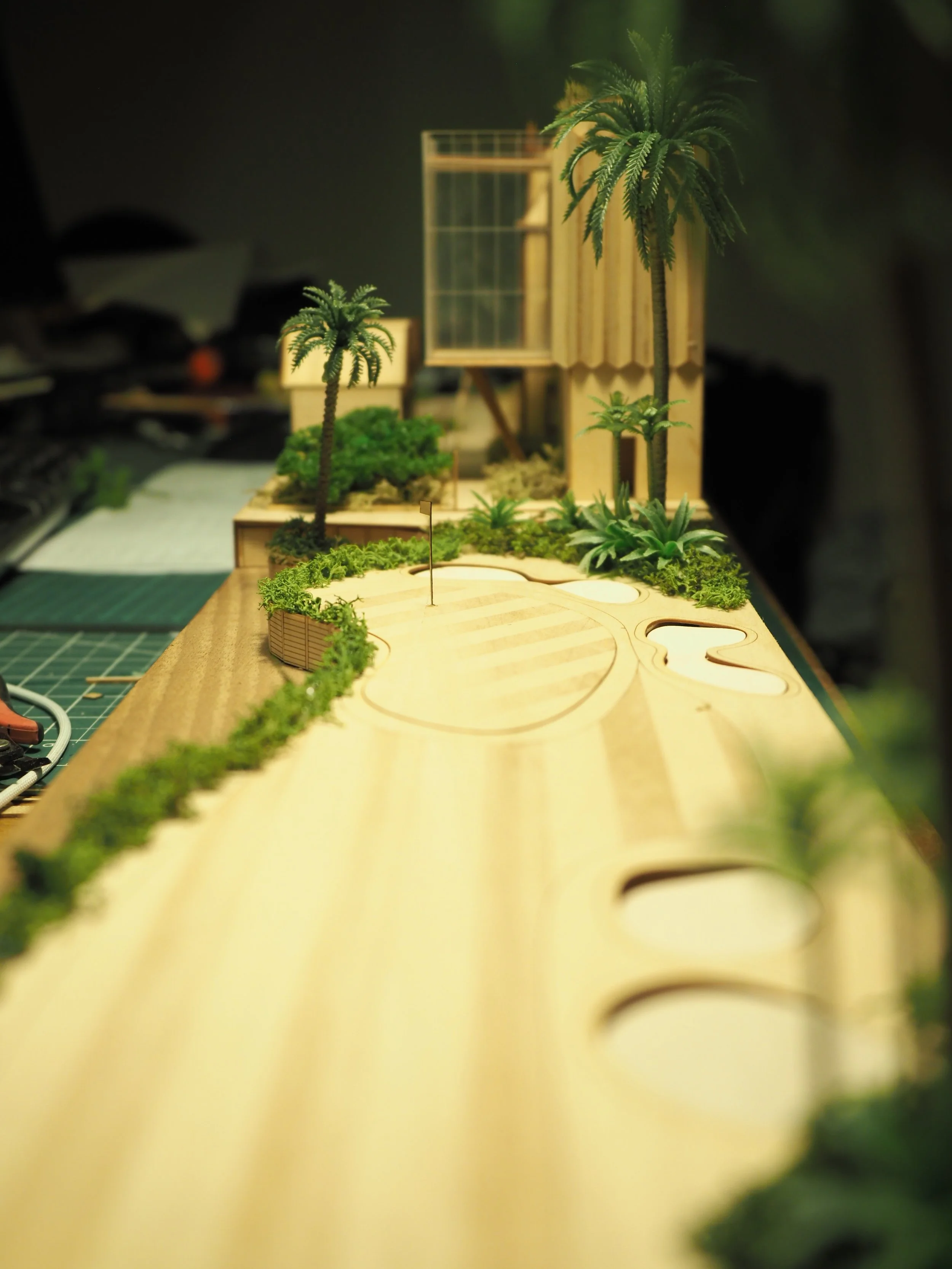
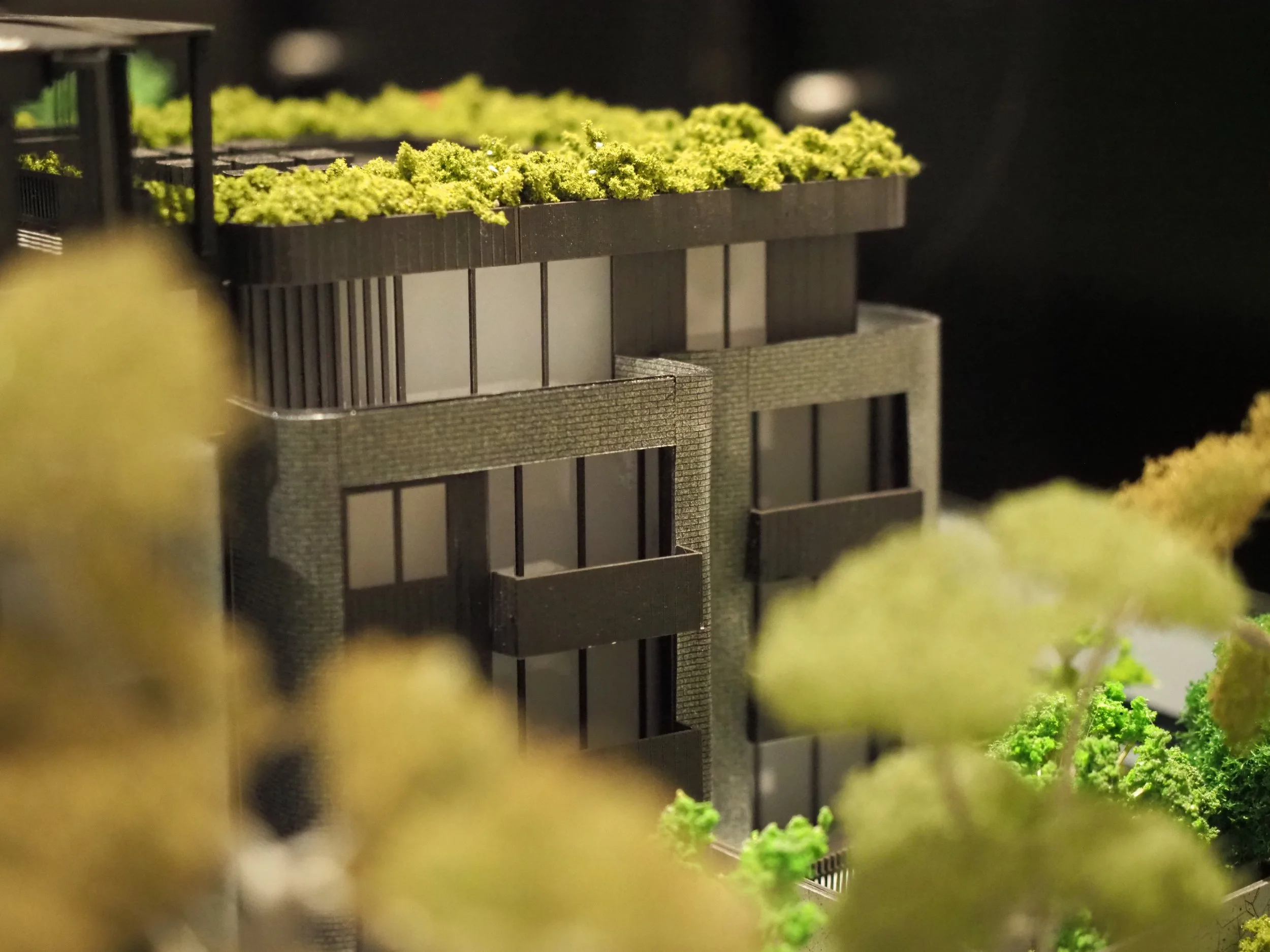
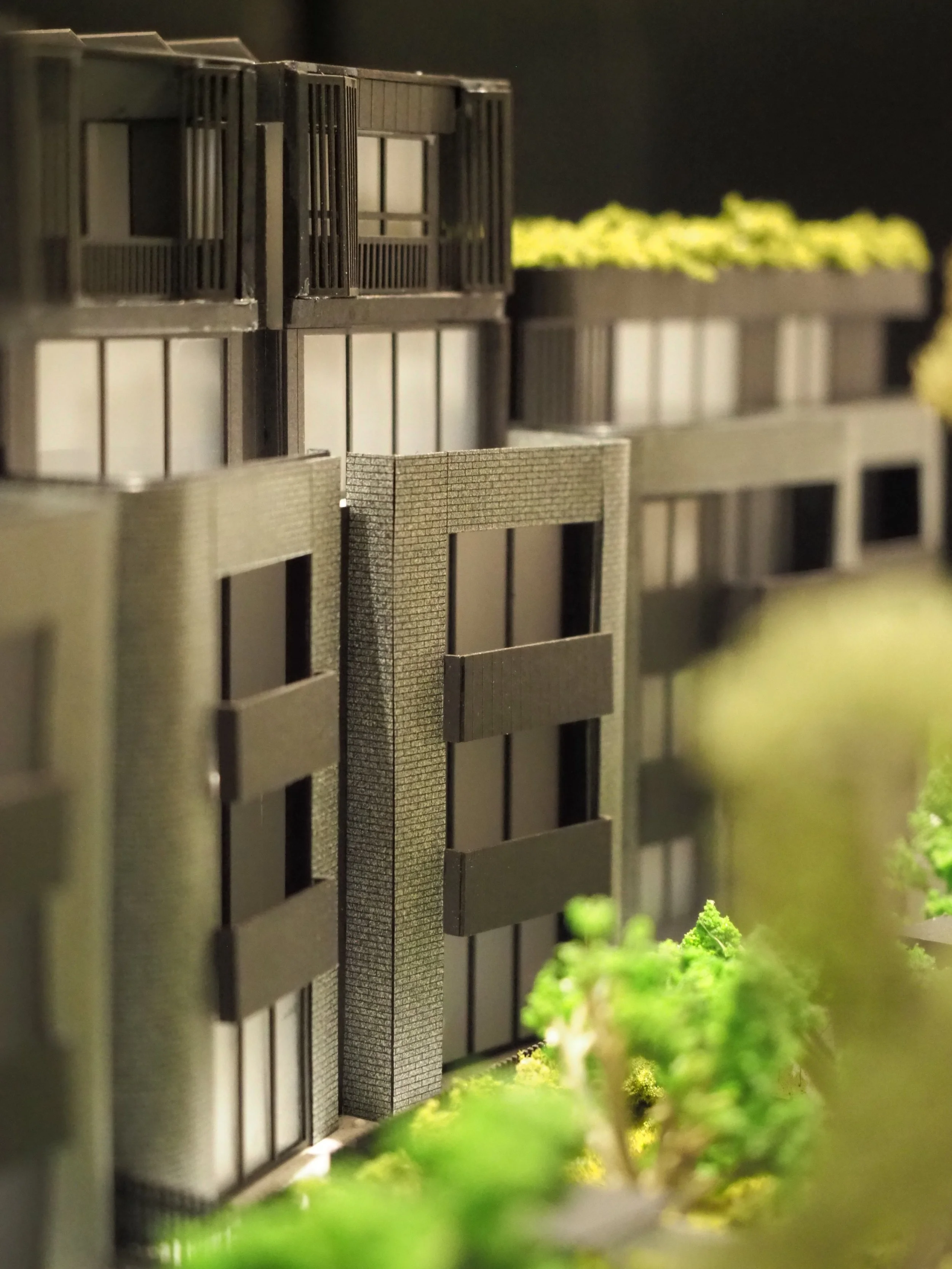
Heritage Course
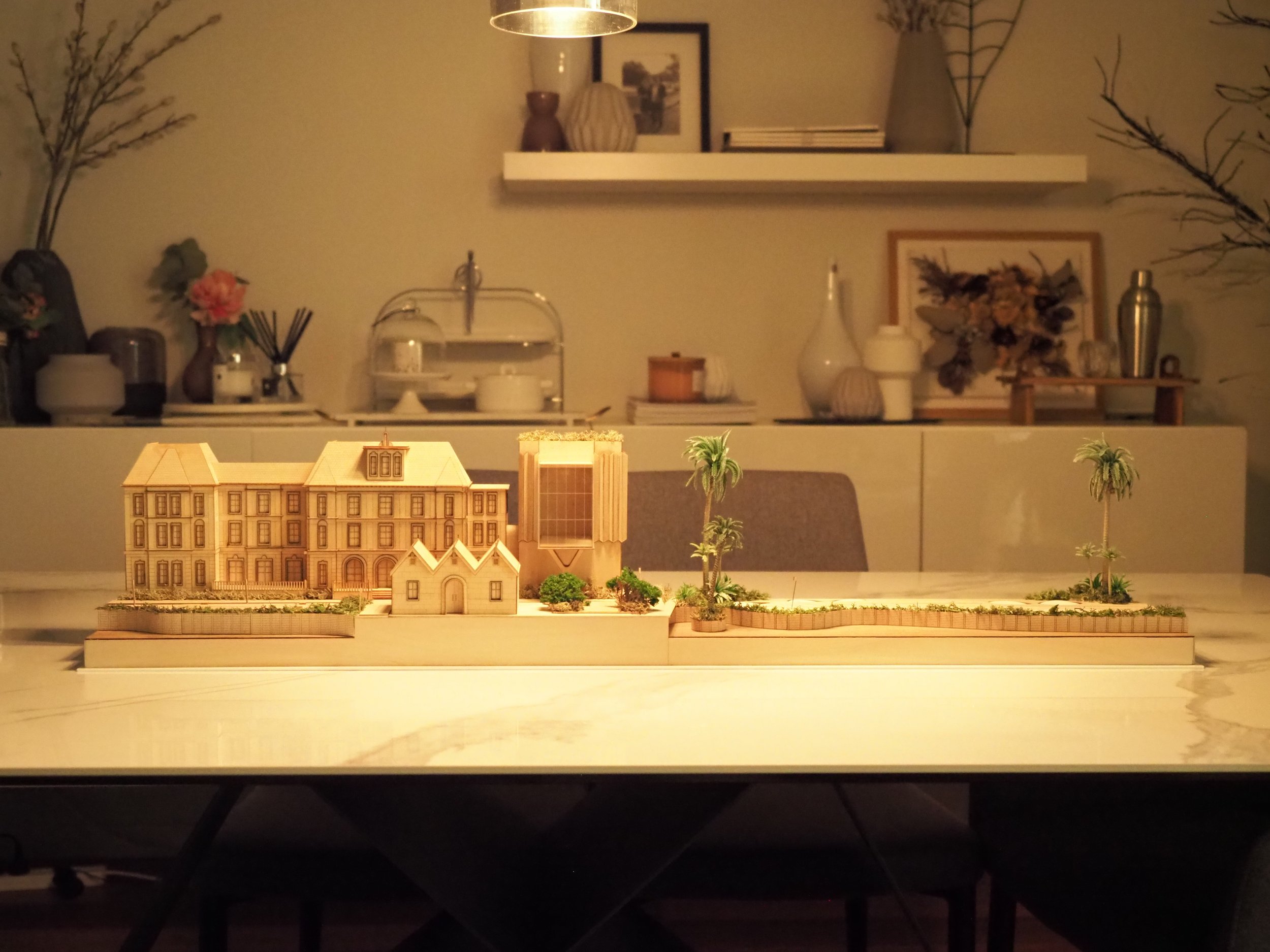
2025
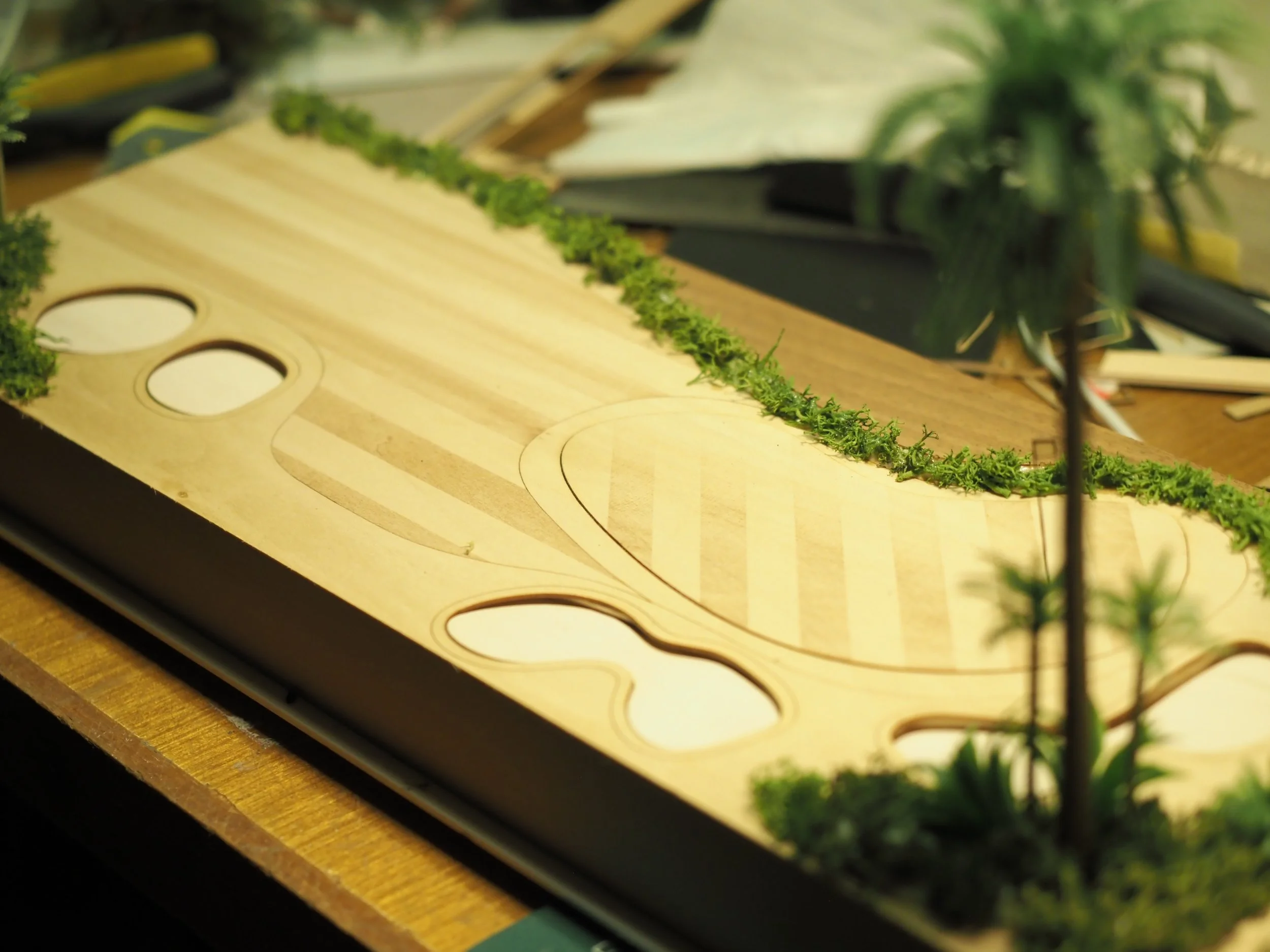
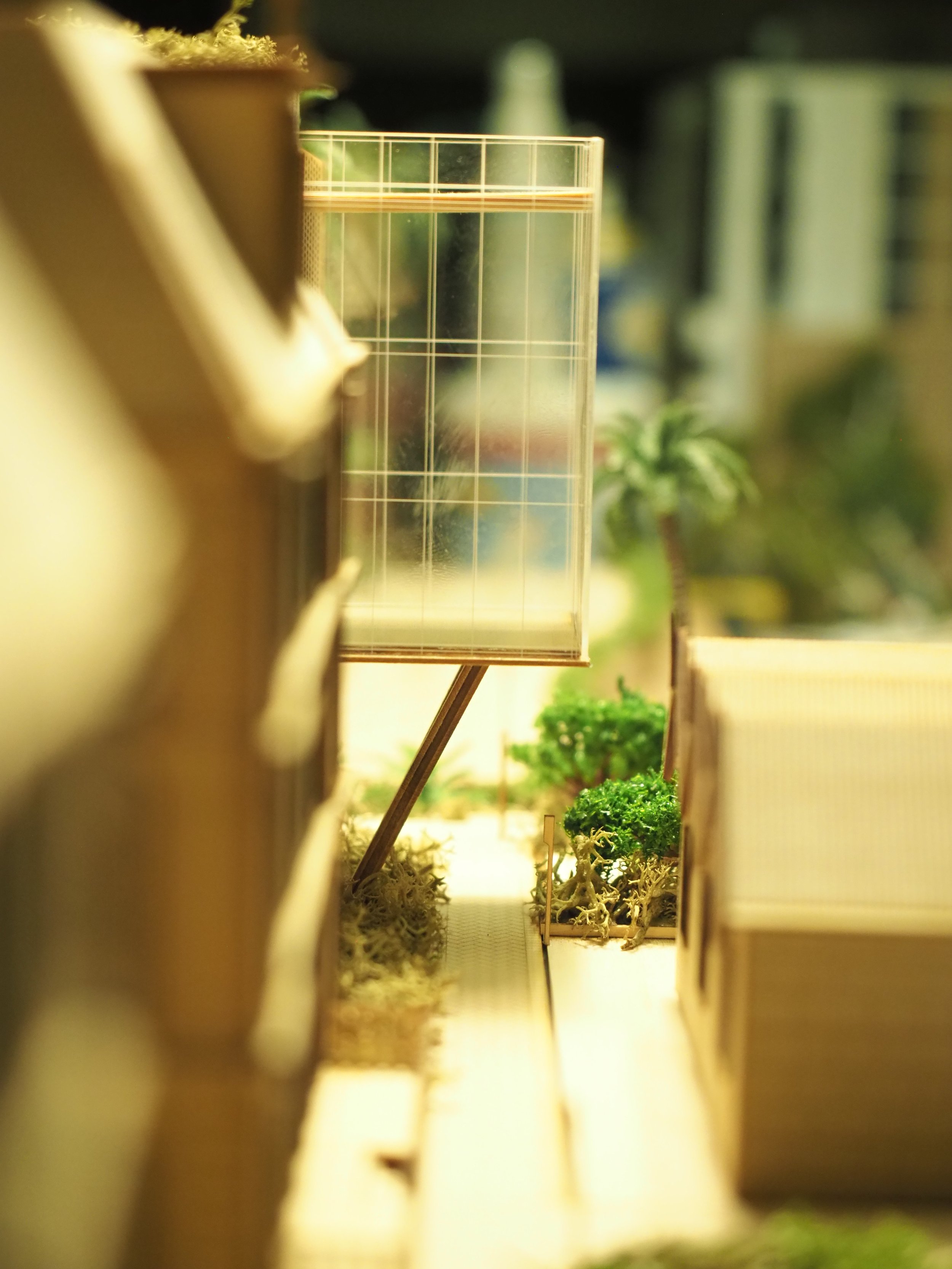
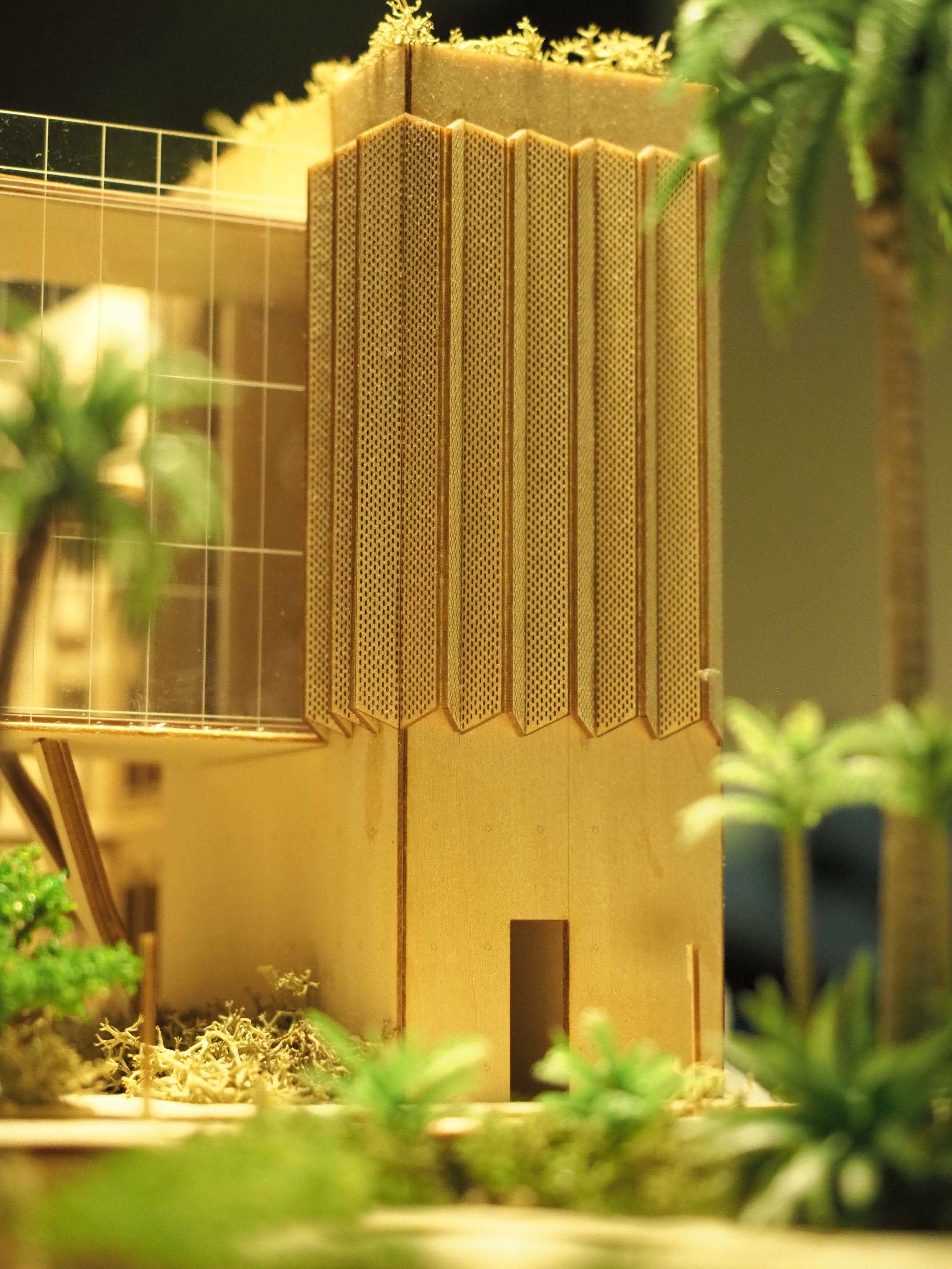
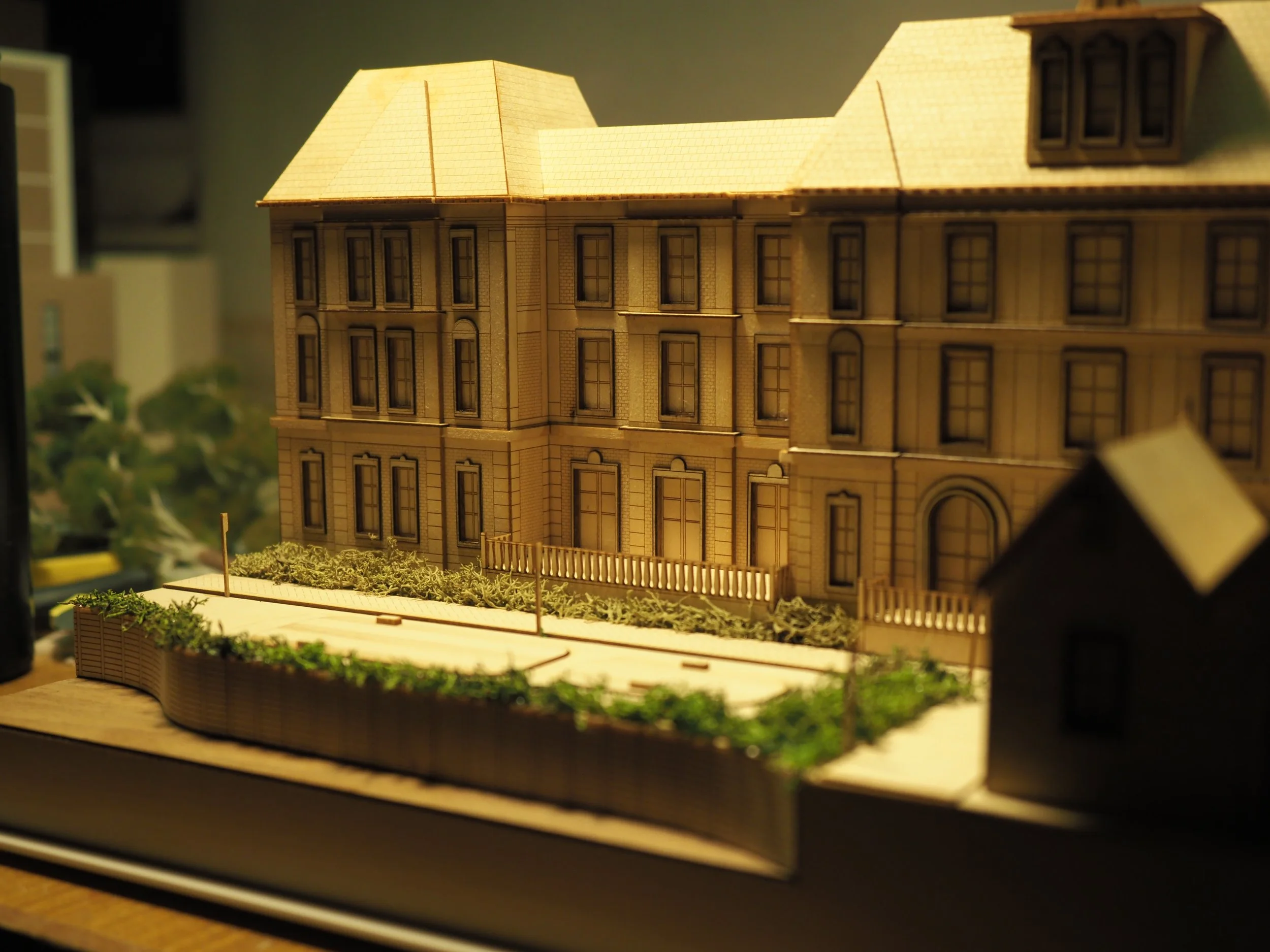
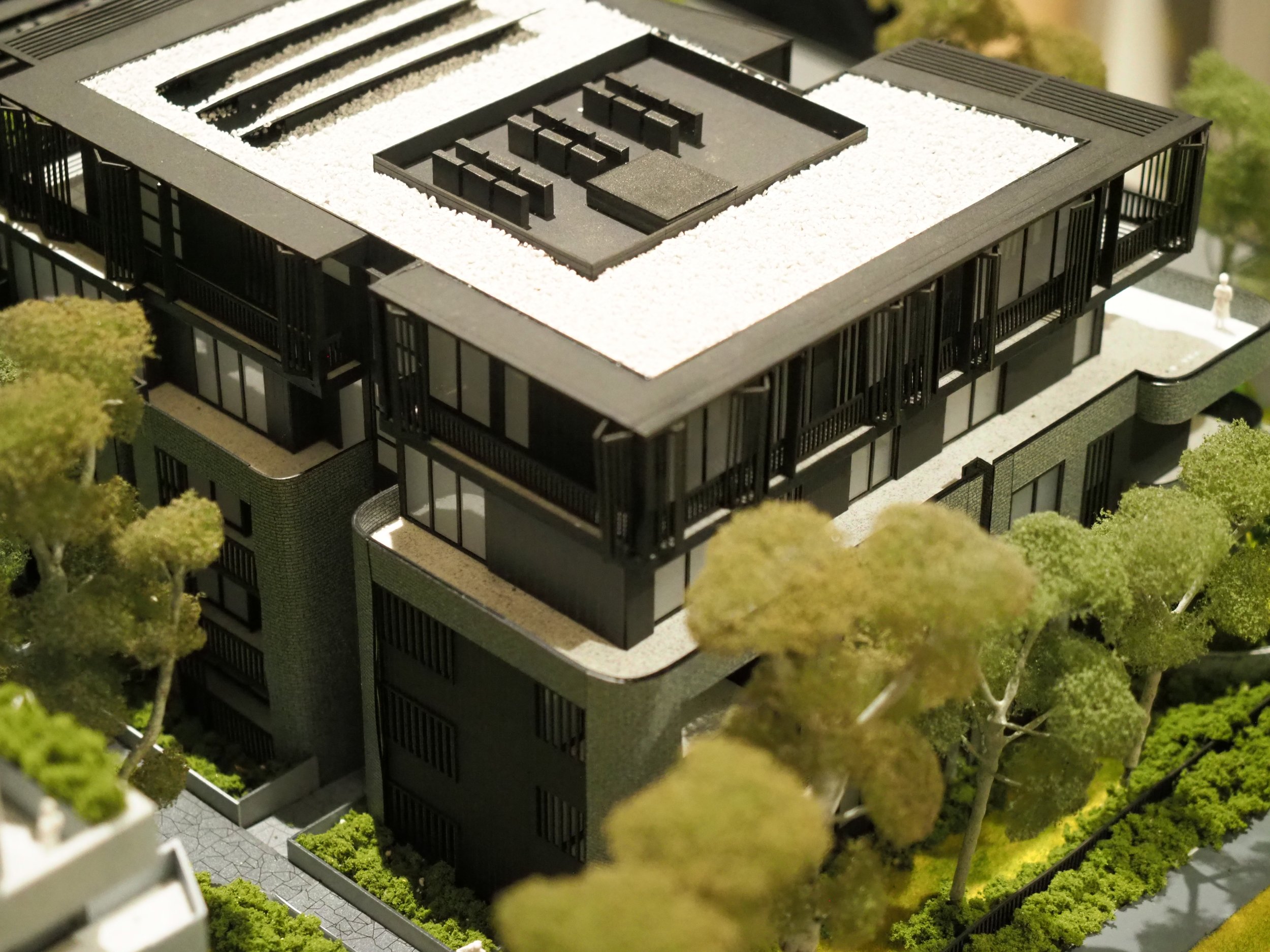
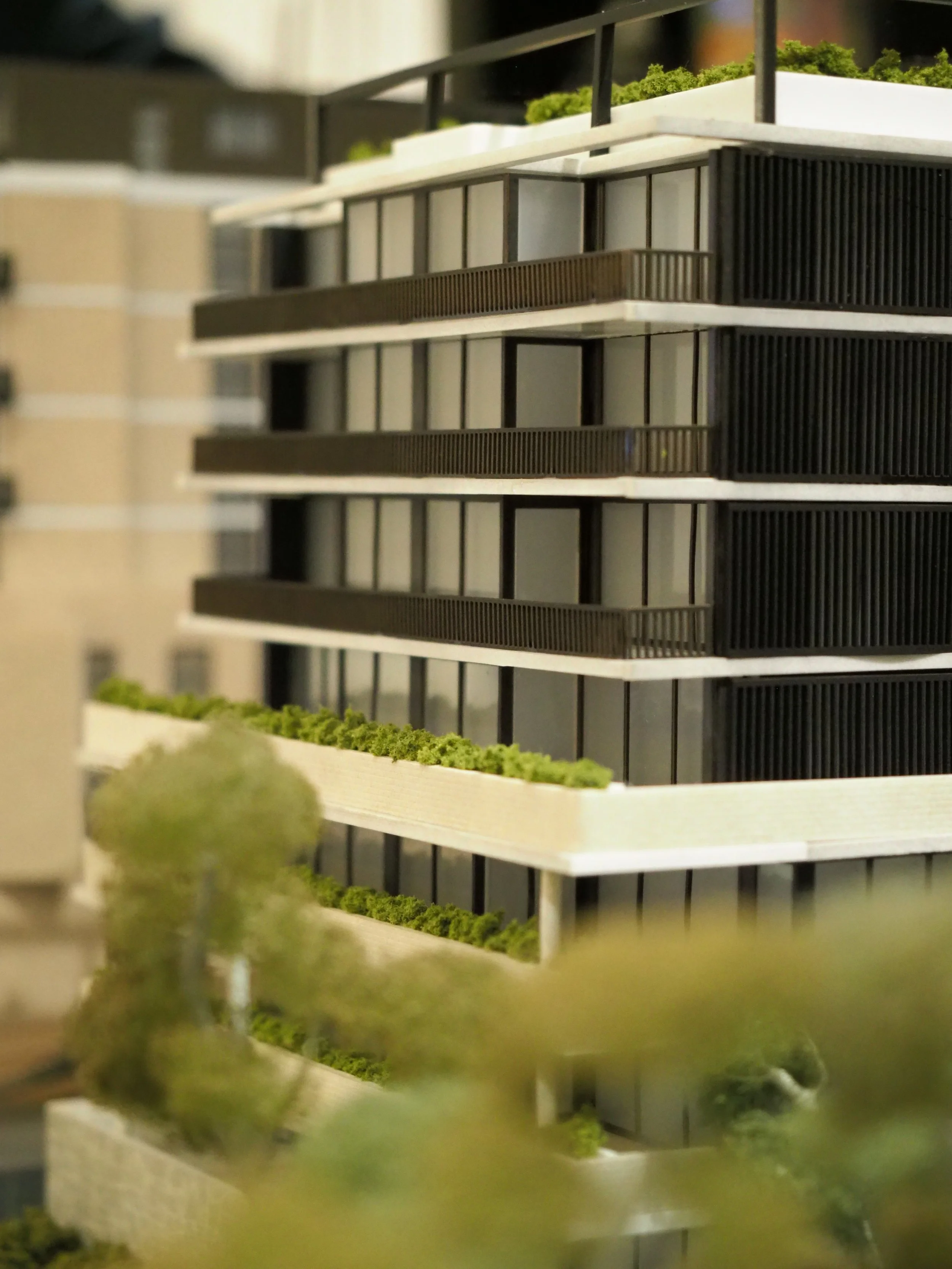
Willhoughby
2025
OUR PROCESS
PLANNING
REFINEMENT
CREATION
(01)
(02)
(03)
Having a strong foundation is the key to every successful project. So, we believe planning is the most important step in our process.
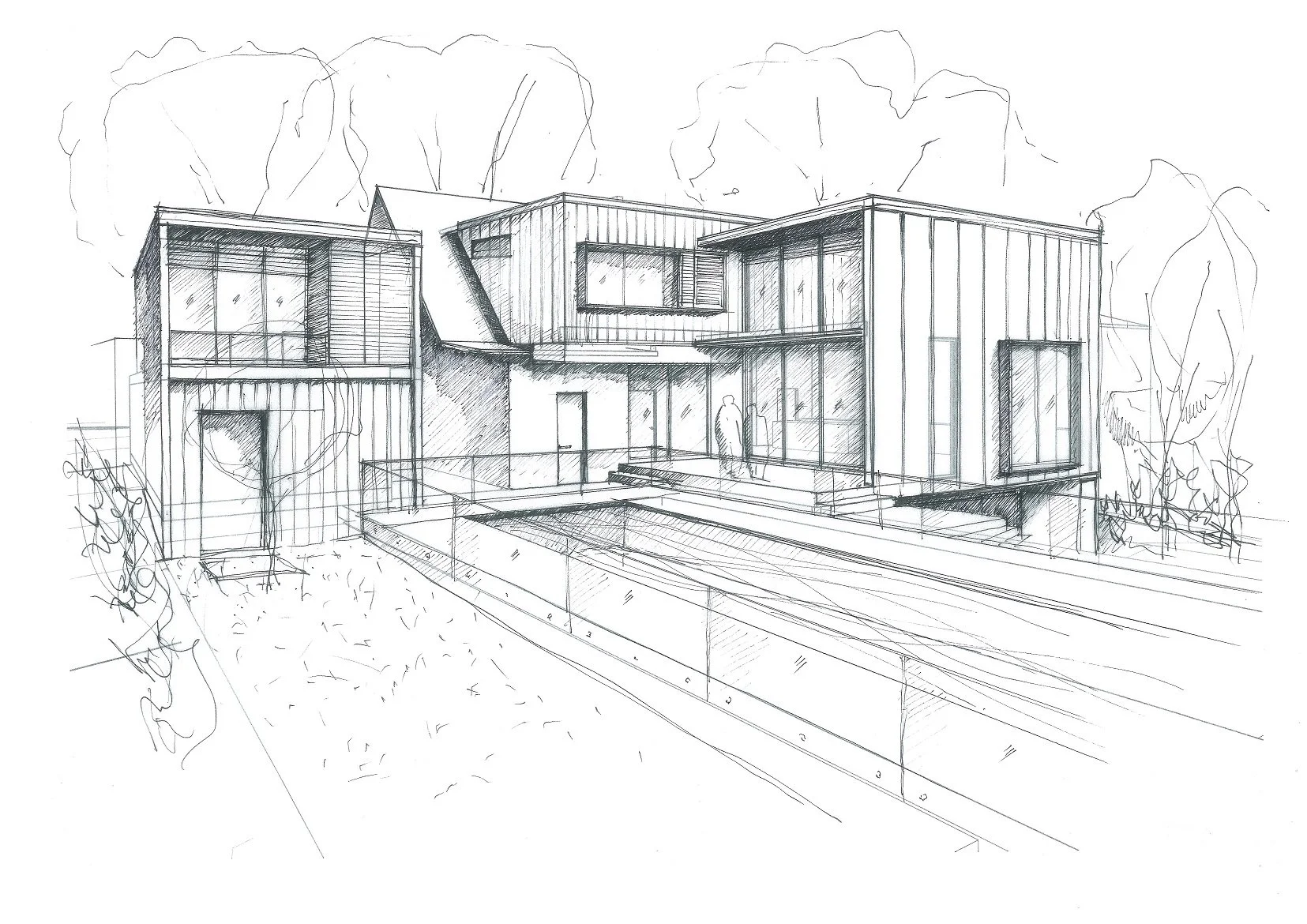
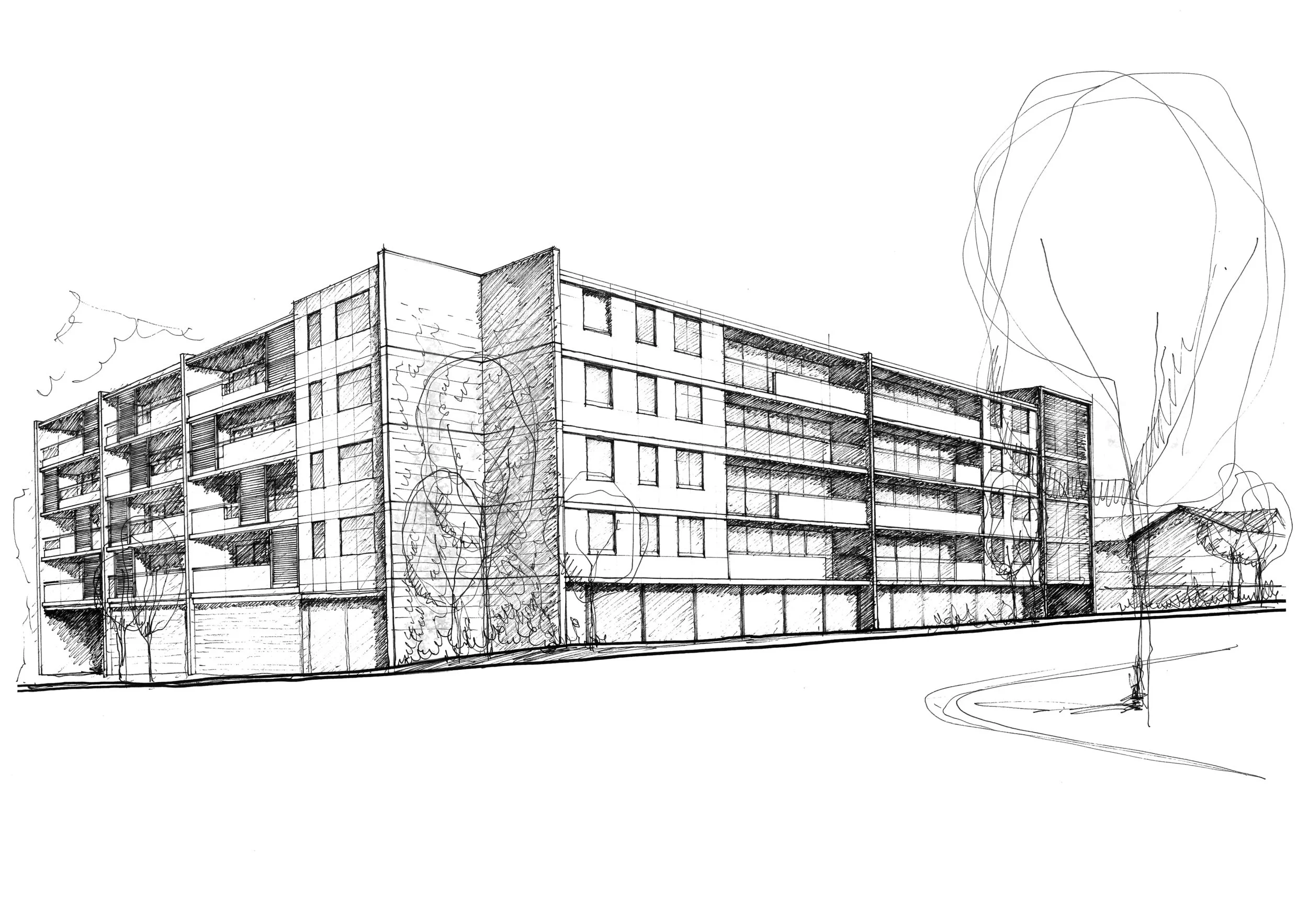
We begin with an in-depth consultation to define what your goals, vision and style of the model will be. We’ll provide options and novel solutions that can improve the outcome of the project.
To flesh out these ideas we’ll undertake hand-drawn sketches to clarify the concepts discussed in our brief. Throughout the planning stage, we will also consider the materials, the scale, the timeframe and the overall cost.
PLANNING
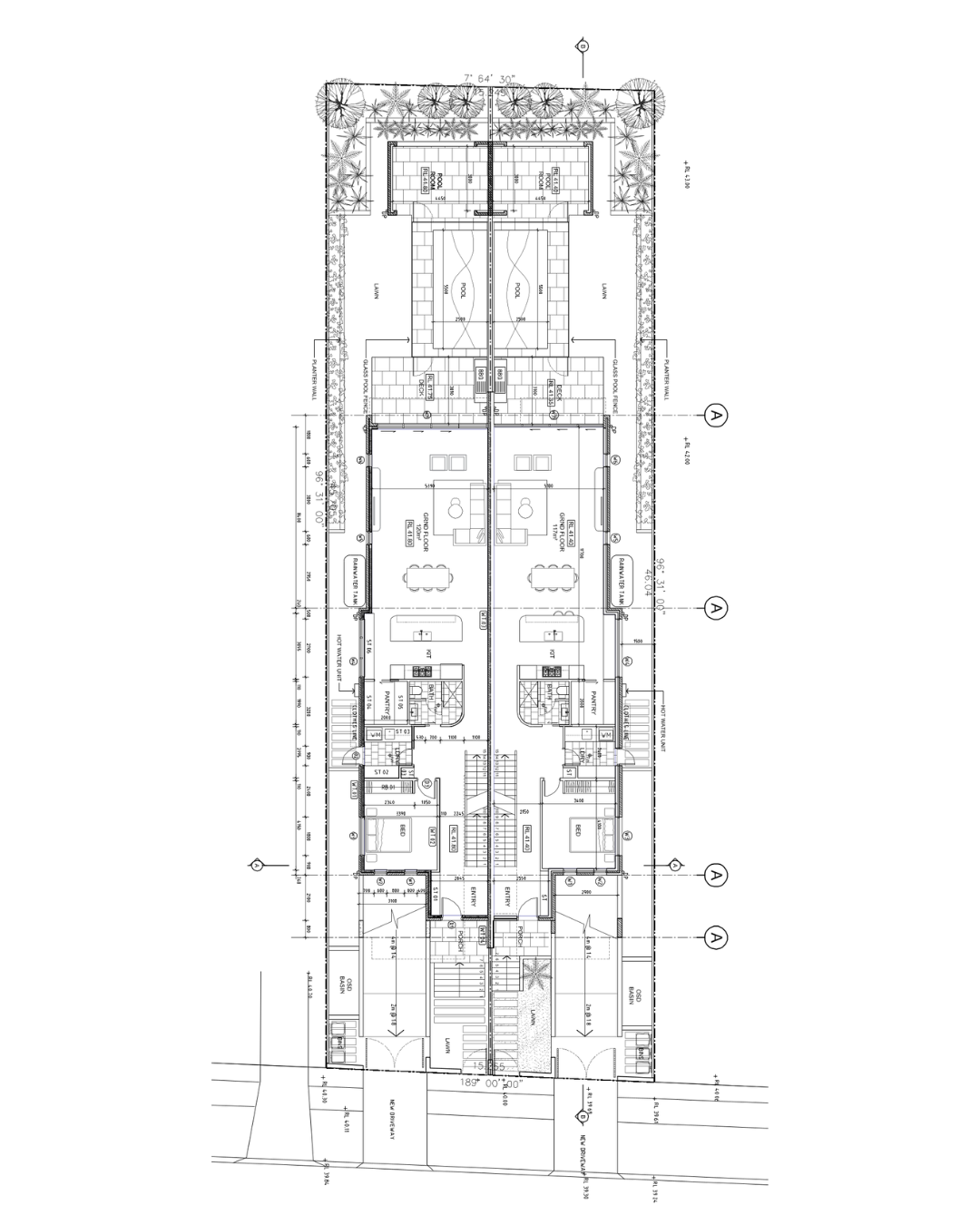
After setting the foundations in our planning stage, its time to begin refining those ideas.
It starts with translating those rough, hand-drawn sketches into precise, scaled subjects using AutoCAD. By producing proportionally accurate digital plans in AutoCAD, we can configure those measured frameworks to laser-cut precise components for the creation of the physical model.
REFINEMENT
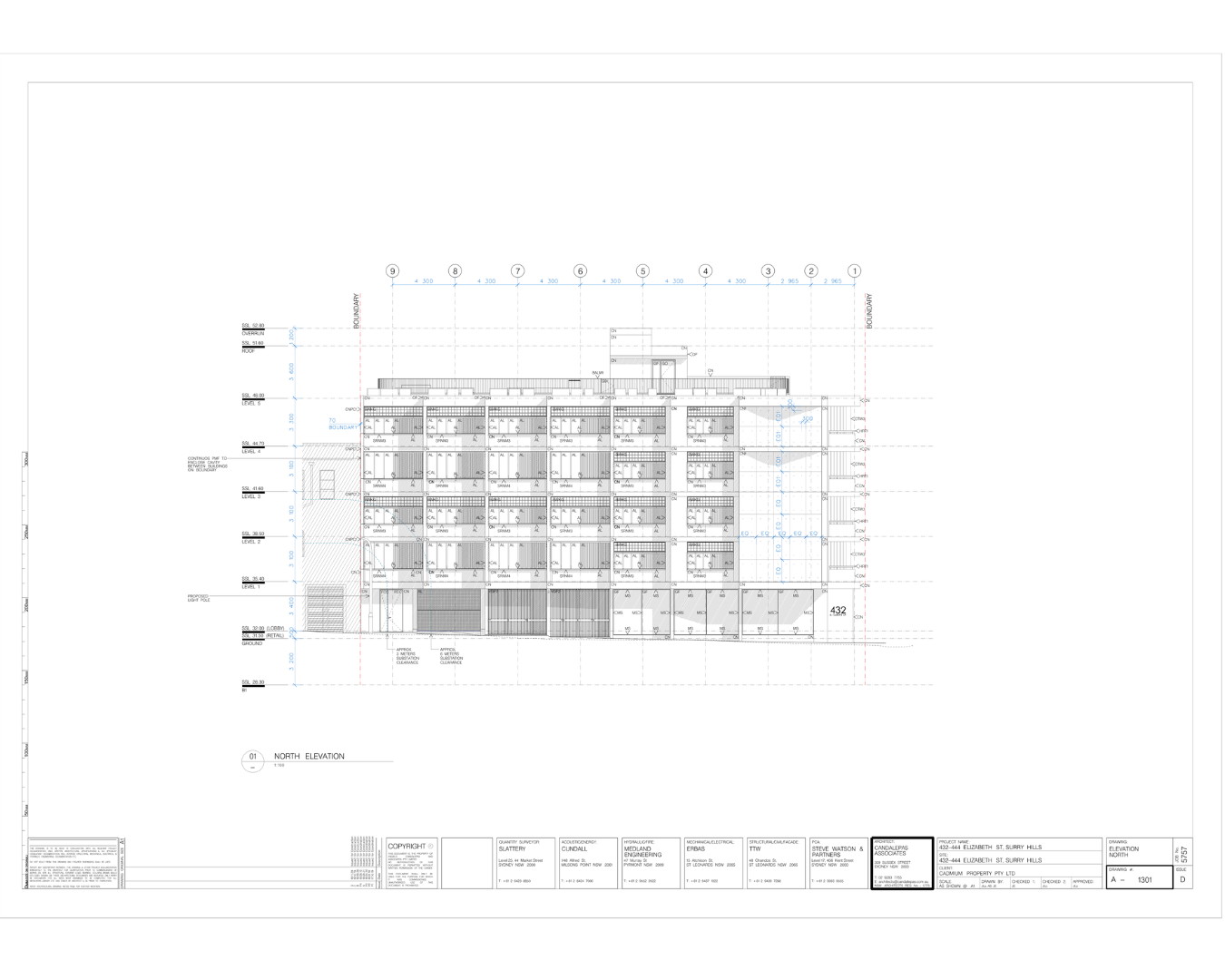
With the AutoCAD plans finalised and the laser cut components prepared, we now move into the stage where we begin crafting the model.
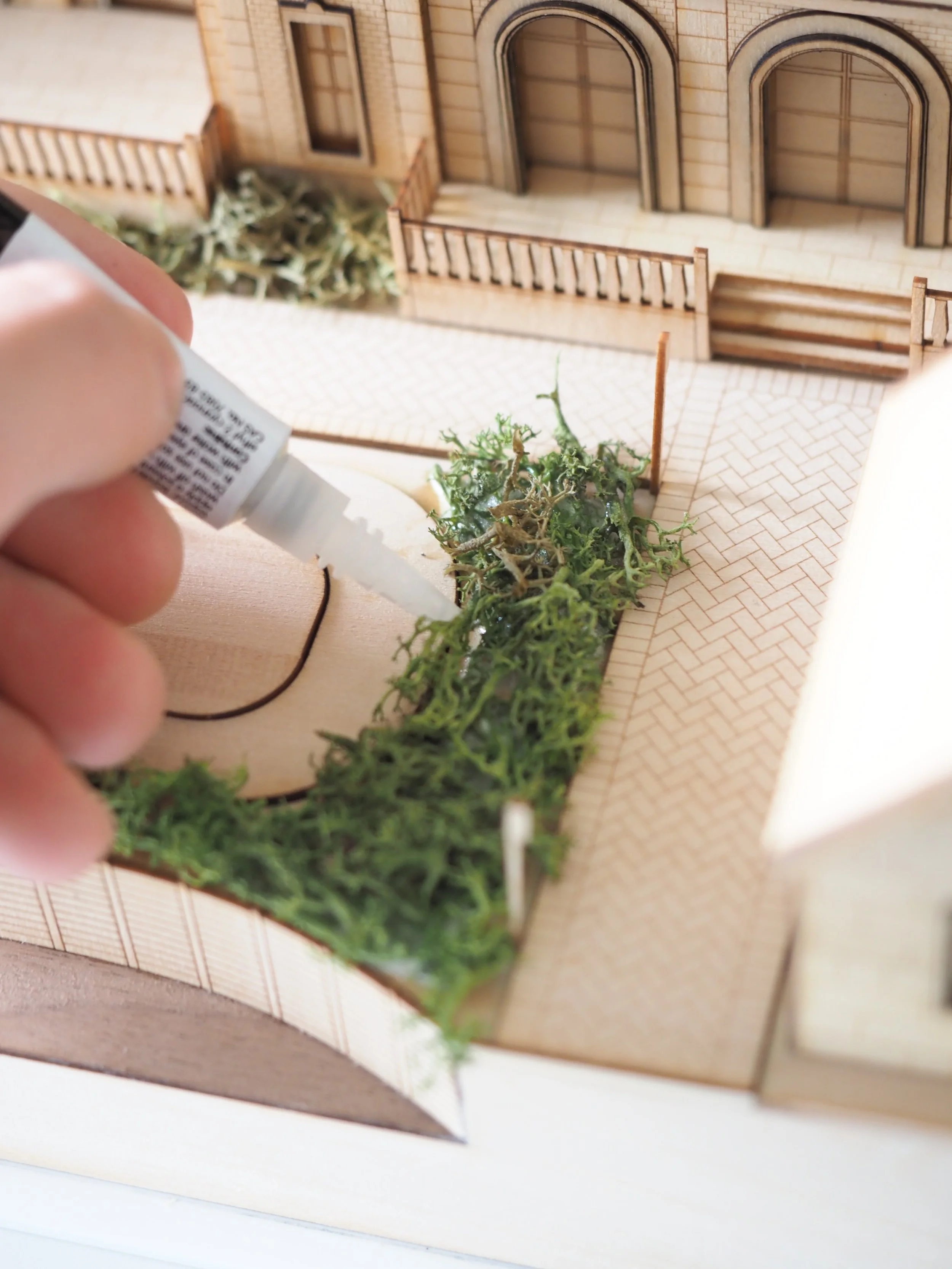
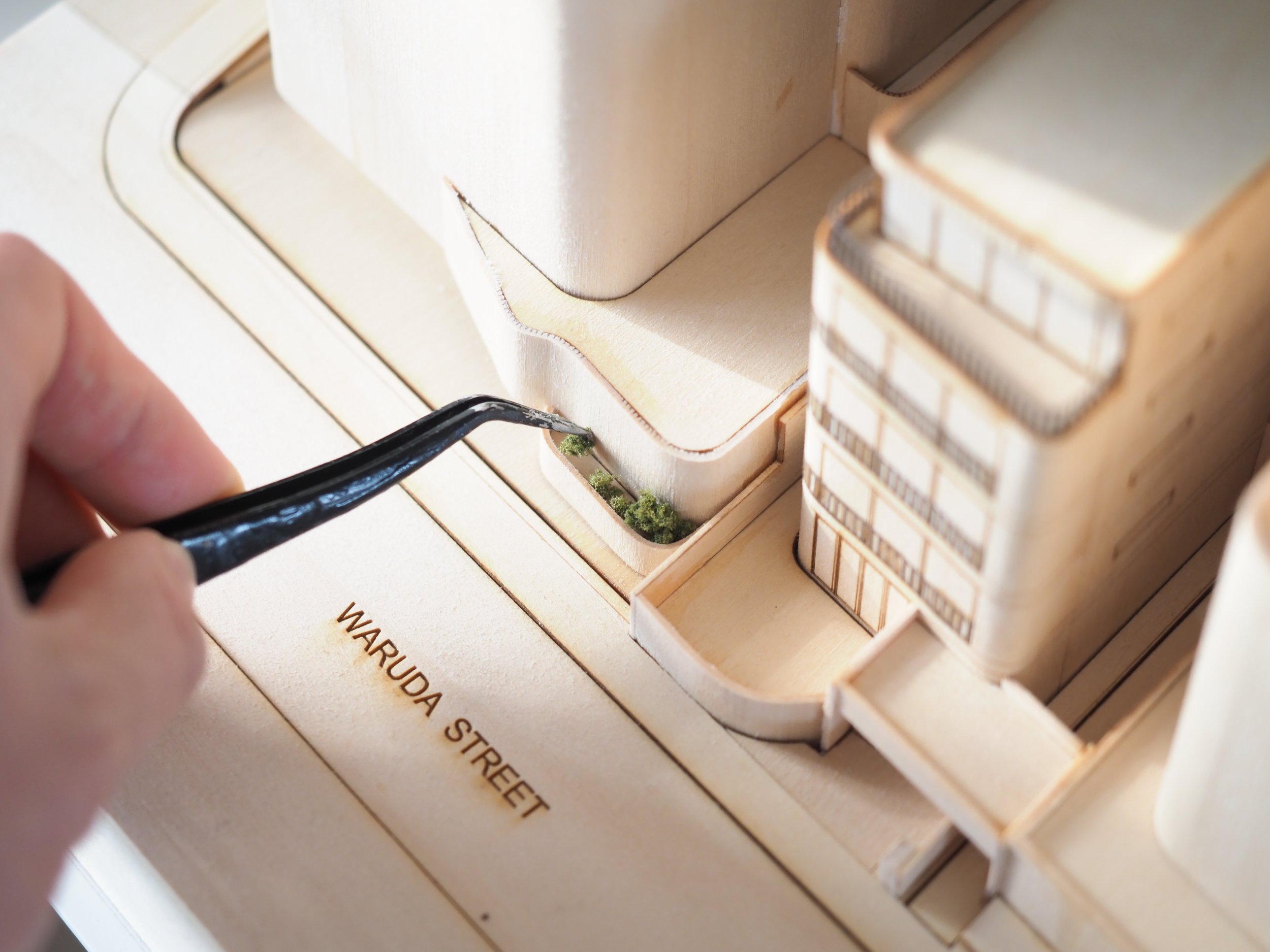
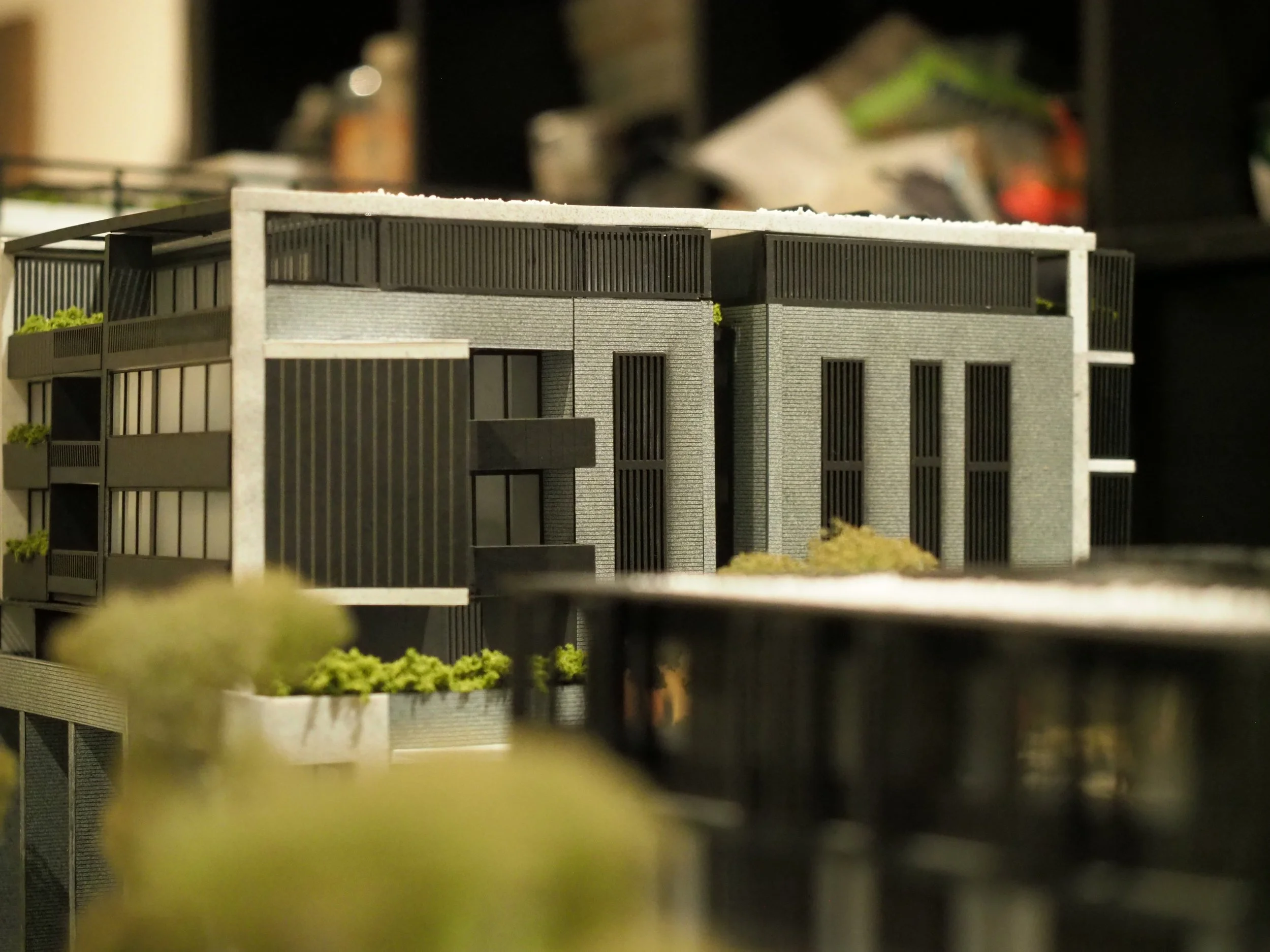
The process begins with creating the general shape of the building and landscape. Depending on the material used, there may be an added step of texturising or colouring the laser cut pieces first. Thereafter, we add the smaller details to the exterior of the model such as cladding and vegetation.
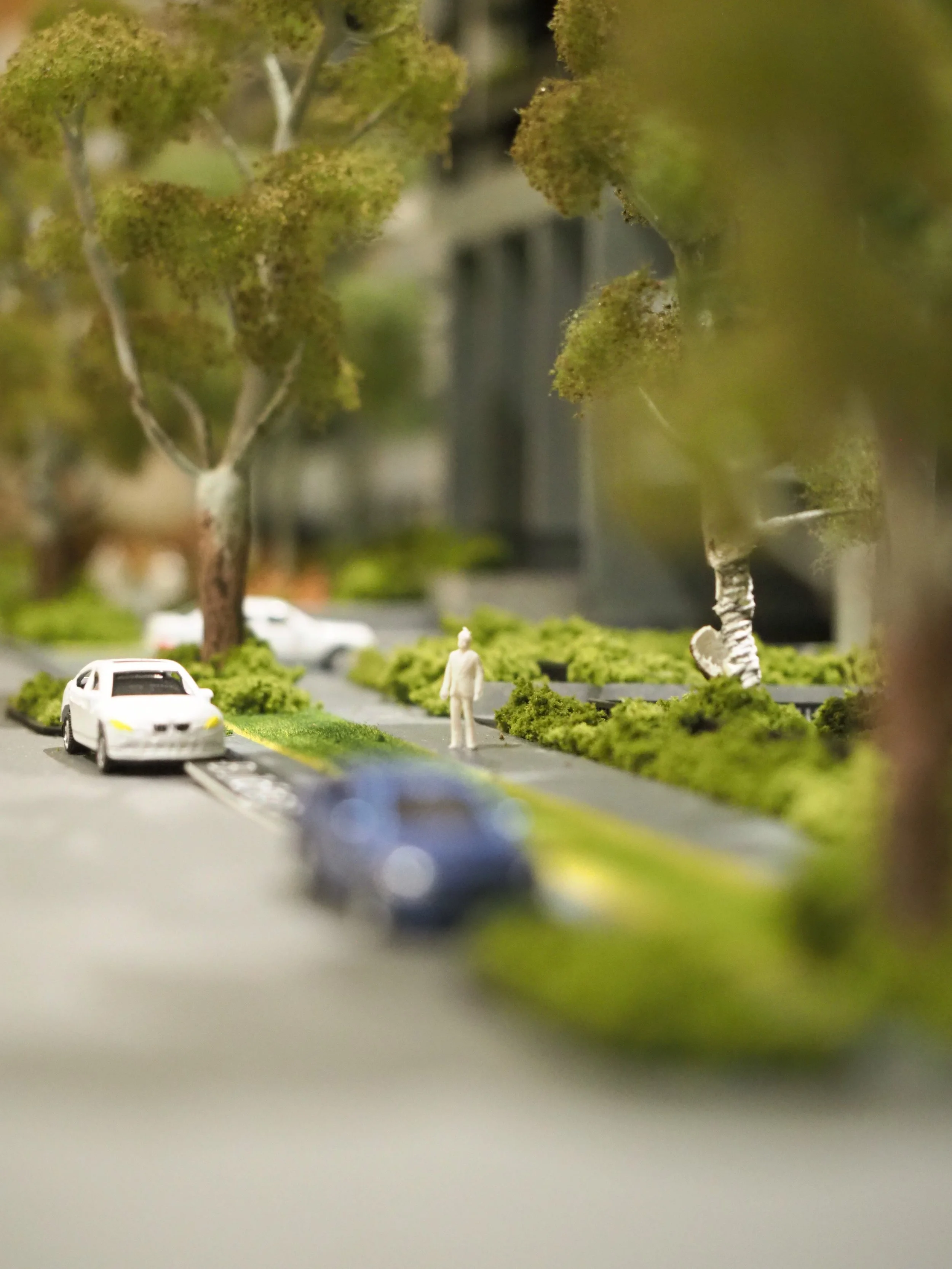
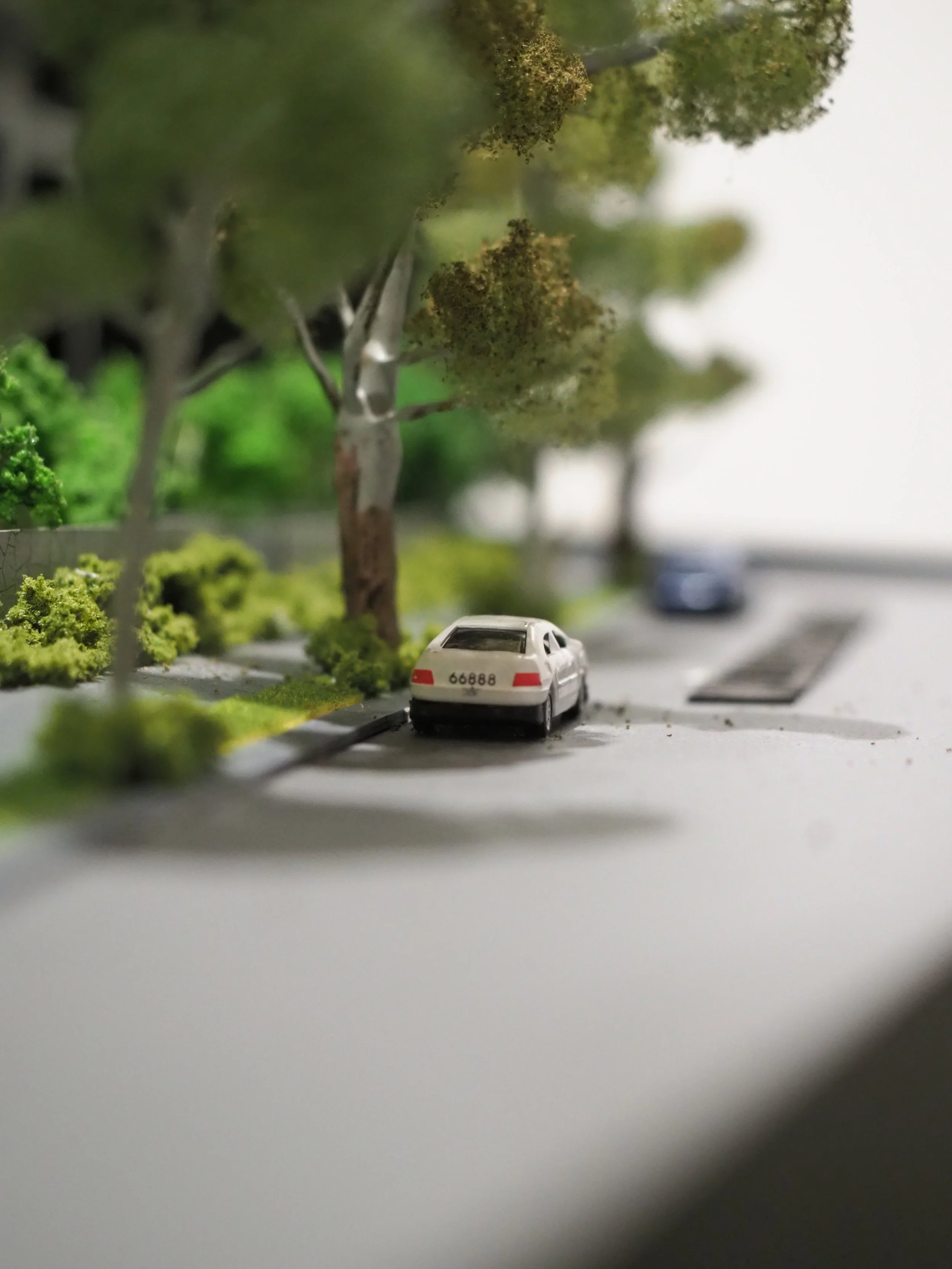
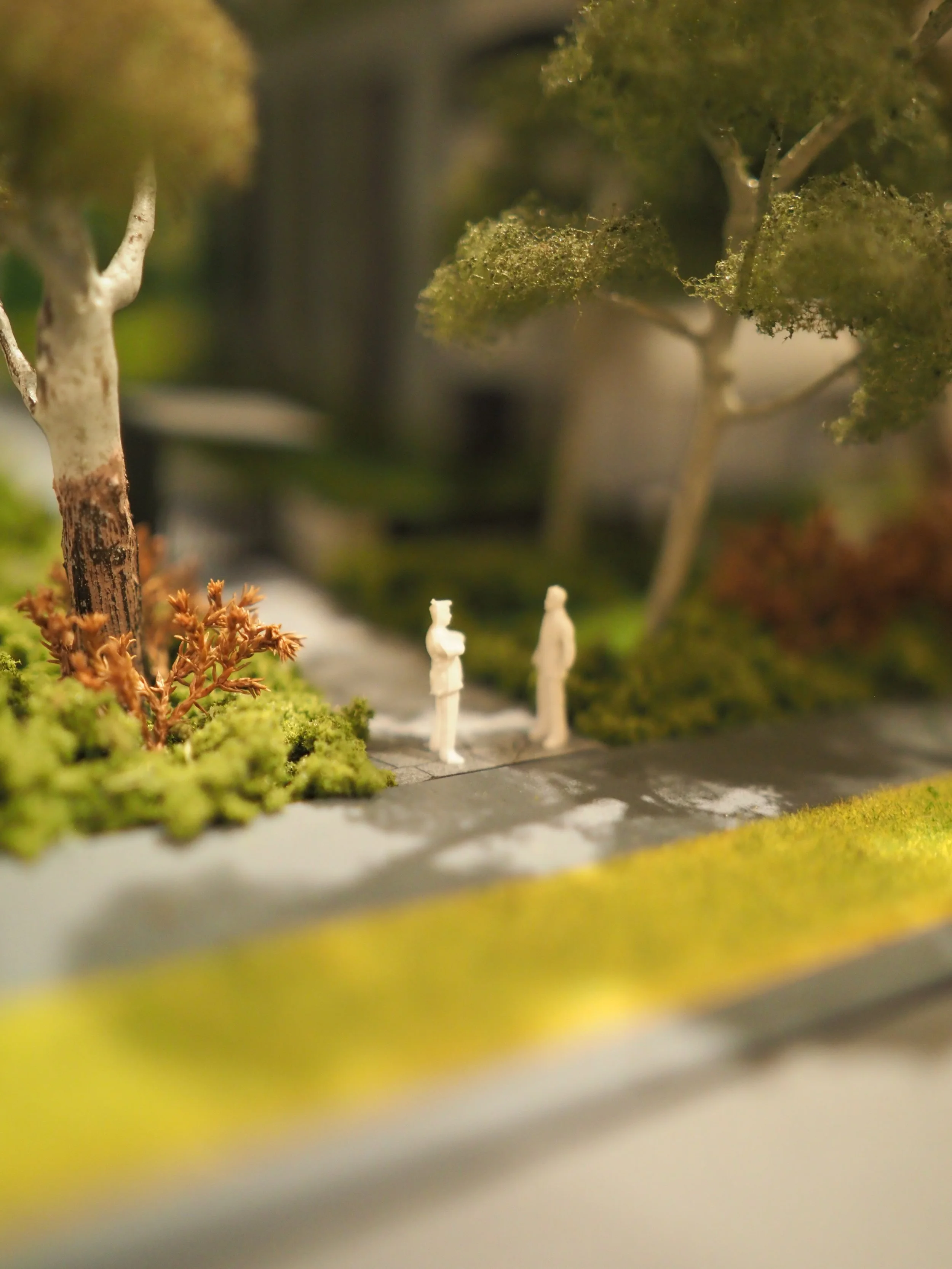
Then finally, we put in scaled subjects like people, cars and street lamps to emphasise the true scale of the structure in reference to regular objects.
CREATION